







Welcome to the October edition of The Assistants Newsletter!

As Executive Assistants, we spend our careers helping others achieve their goals. We manage priorities, solve problems, create efficiencies, and help our executives perform at their best. But in the process, it can be easy to place our own development on the backburner.

This month, we're exploring how EAs can balance exceptional executive support with their own career ambitions.

Much Love,

EST10

P.S. If there is any advice or tips you would love us to write about, please just let us know!
|
“The ‘hard’ in hard work is the mental and emotional toughness to get through”
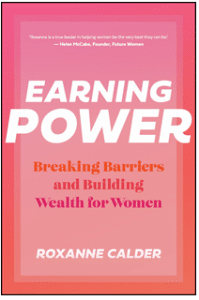
Earning Power. Breaking Barriers and Building Wealth for Women. By Roxanne Calder.

Executive Assistant
$170,000 + Super | Professional Services | Sydney
Check out which job can earn you $100,000 in bonuses!
Our salary guide provides a snapshot of evolving hiring patterns and shifting market dynamics. 2026 has seen a change of pace, with employers and jobseekers alike taking time to evaluate all before committing.

WE LOVE WHAT WE DO!


As Founder and Managing Director at EST10, Roxanne has an all-encompassing role that includes building and growing the business, as well as actively recruiting and consulting.
After completing a Bachelor’s Degree at Monash University, Roxanne began her recruitment career with renowned recruiter Julia Ross. From there, Roxanne worked in HR and recruitment with a number of global players and boutique businesses throughout Australia, the UK, Singapore and Hong Kong for over 20 years. She has been responsible for managing large teams and projects, implementing RPO models, managing and assisting businesses to an IPO and assisting companies in setting up their recruitment teams and processes.
Following completion of her MBA at the Australian Graduate School of Management, Roxanne launched EST10 in July 2010. In doing so, she hoped to combine the flexibility and high touch service levels of boutique agencies with the structure and strategy afforded to larger firms. Roxanne believes in high-touch, high-care consulting and is always on the lookout for consultants that share this vision of recruitment.


We have become aware that an unauthorised third party is using EST10 Recruitment’s name to contact candidates about fictitious job opportunities, mostly via WhatsApp.
Please be aware that these communications are not authorised by us and do not represent genuine job opportunities through our business. If you have any concerns, please contact us using the details on this page. Contact us